The single most common question we get asked is why the price changed since last month. It's a fair question, and the answer is almost never about the yard.
Global demand sets the floor
Scrap is a globally traded commodity. Copper and aluminium are priced off the London Metal Exchange, and ferrous scrap follows mill demand in Turkey, East Asia and increasingly India. When a mill in one of those markets slows down, the effect reaches an Australian weighbridge within weeks.
Nothing a local buyer does changes that floor. What a local buyer does change is how much of it reaches you.
Grade is the part you control
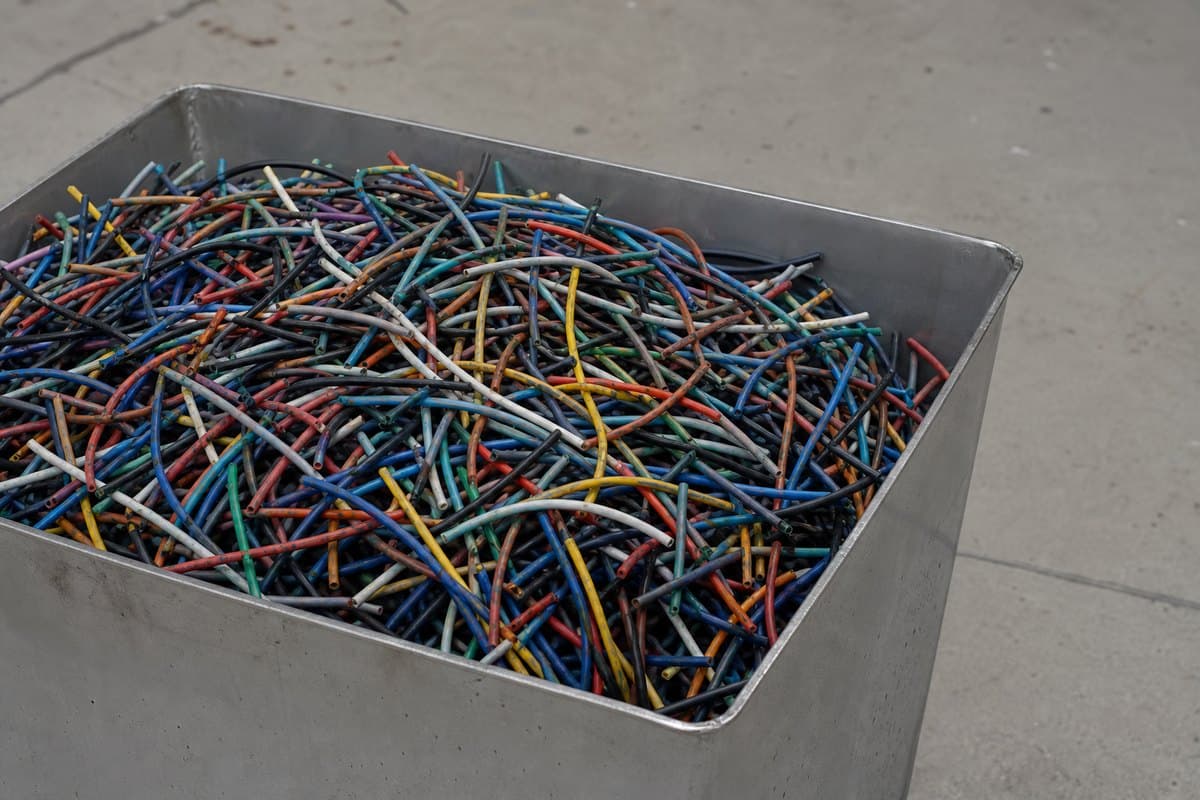
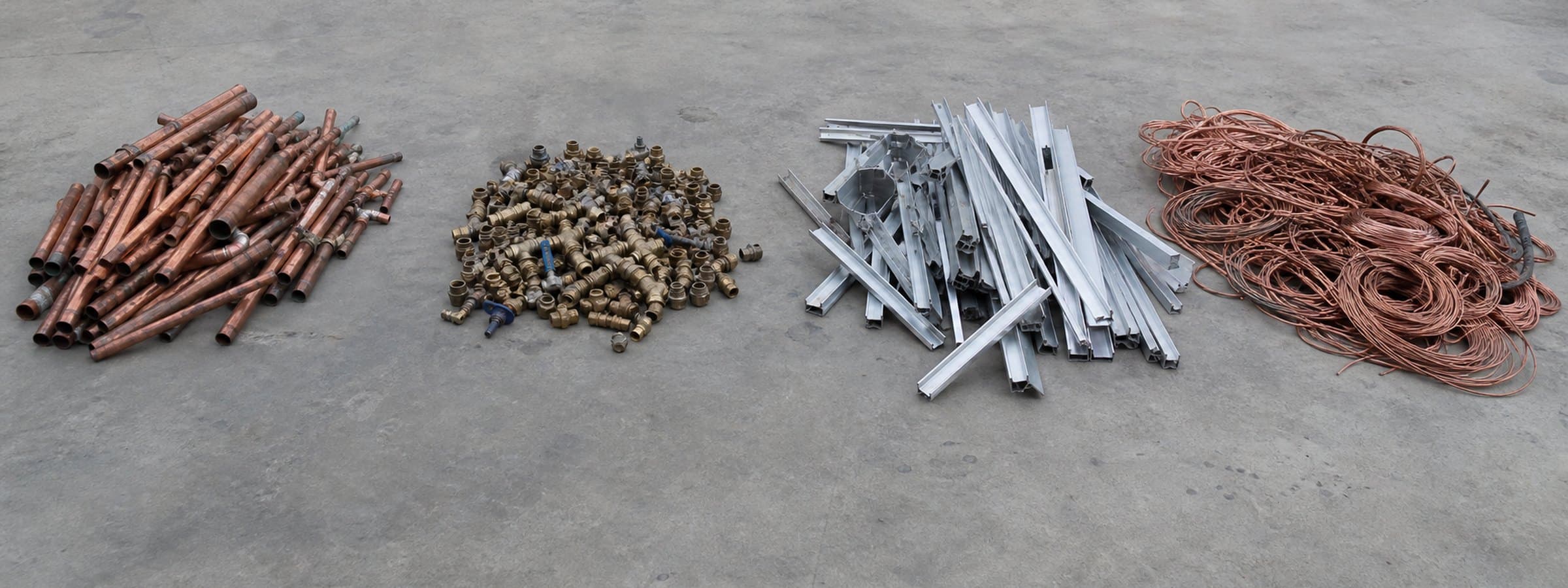
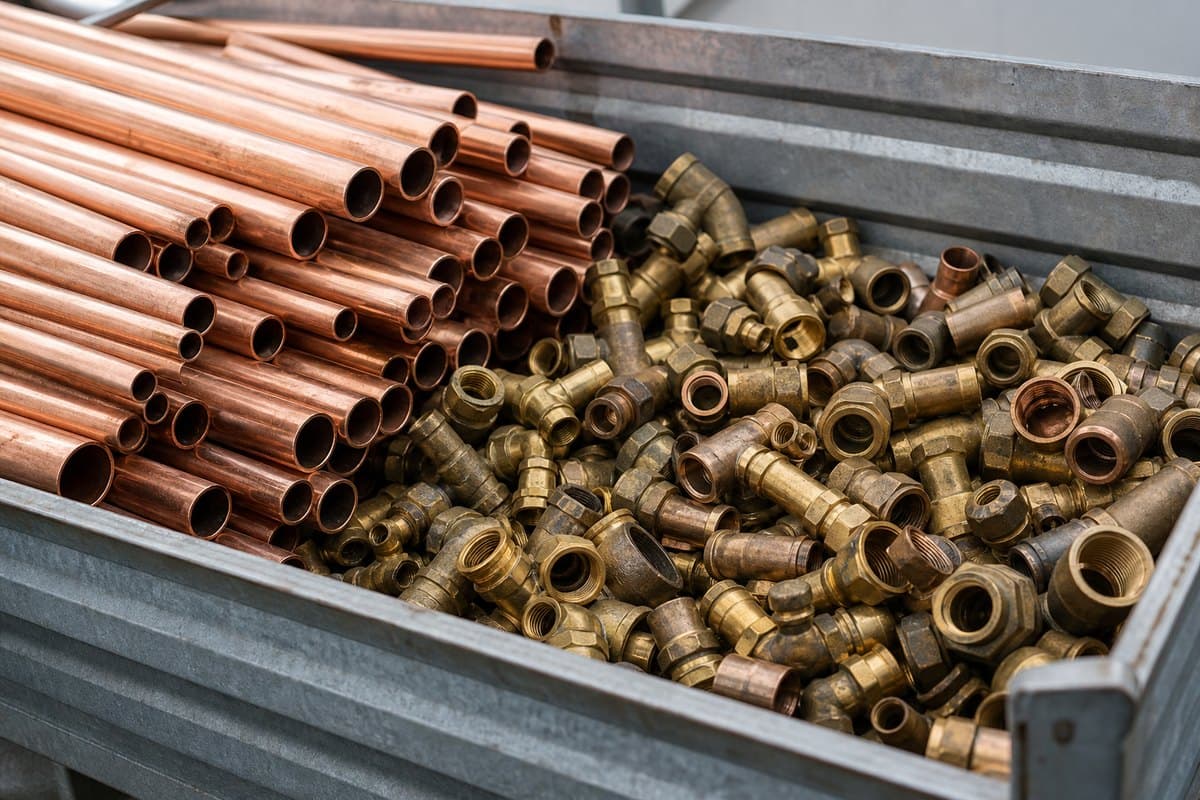
Between a clean, separated non-ferrous load and the same material buried in mixed steel, the difference is not a few percent. It's a multiple. Grading exists because a mill will only pay for what it can be certain it's getting, so any uncertainty gets priced at the lowest plausible grade.
Ten minutes with a magnet and three bins is, dollar for dollar, the highest-value work you can do before you drive in.
Freight and volume do the rest
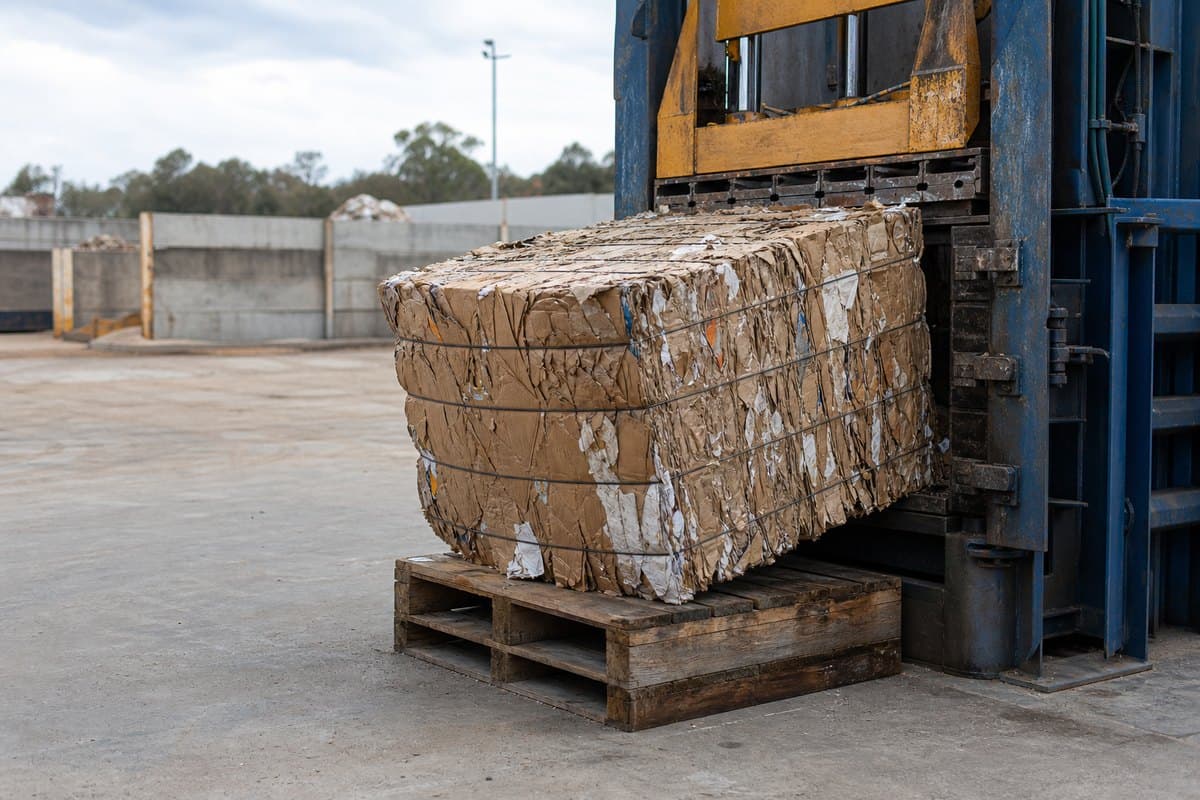
Getting material to a mill costs money, and that cost is deducted from what anyone can pay you. It's why uncut structural steel prices poorly, why baled material prices better than loose, and why processing on site can change a job's economics entirely.
Volume matters for the same reason. A yard that fills containers quickly moves them at a better freight rate and can pass more of it back.